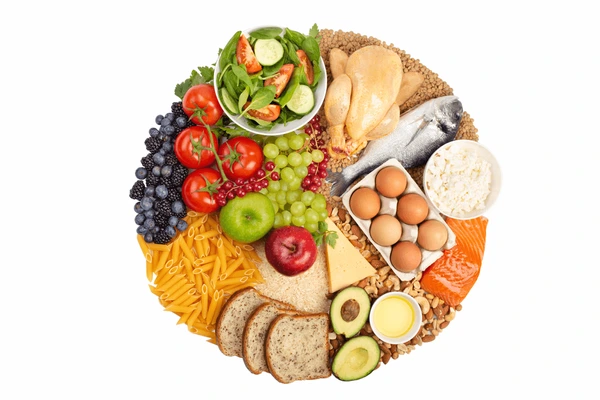
Eating a balanced diet is one of the most effective ways to improve overall health, maintain energy levels, and prevent lifestyle-related problems. But for many people, “balanced diet” sounds complicated or expensive.
The truth is, a balanced diet is not about strict rules or fancy foods. It is about eating the right types of food in the right proportions every day so your body gets everything it needs to function properly.
This guide breaks down a simple balanced diet chart that you can actually follow in real life, using normal and affordable foods.
What Is a Balanced Diet?
A balanced diet means eating a variety of foods that provide all essential nutrients:
- Carbohydrates (energy source)
- Proteins (muscle repair and growth)
- Fats (hormone function and energy)
- Vitamins and minerals (body support)
- Water (hydration and body functions)
No single food can provide everything. That’s why variety is important.
Why a Balanced Diet Matters
A balanced diet helps your body in many ways:
Physical benefits:
- Maintains healthy weight
- Improves digestion
- Boosts immunity
- Strengthens muscles and bones
Mental benefits:
- Improves focus
- Stabilizes mood
- Reduces fatigue
Long-term benefits:
- Lowers risk of chronic diseases
- Supports healthy aging
- Improves overall lifestyle quality
Simple Balanced Diet Chart (Daily Guide)
Below is a practical diet structure you can follow every day. It is flexible and can be adjusted based on your needs.
Morning (Breakfast)
Breakfast is the most important meal because it gives energy for the day.
Good options:
- Oatmeal with milk and fruit
- Boiled eggs with whole wheat bread
- Yogurt with nuts and honey
- Paratha with vegetables (less oil)
- Smoothie with banana and milk
Benefits:
- Boosts morning energy
- Improves focus
- Prevents overeating later
Mid-Morning Snack
A light snack helps maintain energy levels.
Options:
- Apple or banana
- Handful of nuts (almonds, walnuts)
- Fresh juice (no sugar added)
- Cucumber or carrot sticks
Tip:
Keep snacks light and natural.
Lunch (Main Meal)
Lunch should be the most balanced meal of the day.
Balanced plate idea:
- 1 portion carbohydrates
- 1 portion protein
- Vegetables
- Small portion healthy fats
Example meals:
- Rice + lentils + salad
- Chicken + roti + vegetables
- Beans + brown rice + yogurt
- Fish + vegetables + whole grains
Benefits:
- Provides long-lasting energy
- Keeps you full
- Supports digestion
Evening Snack
This prevents unnecessary hunger before dinner.
Healthy options:
- Green tea with nuts
- Roasted chickpeas
- Fruit bowl
- Yogurt
Avoid:
- Fried snacks
- Sugary drinks
- Packaged junk food
Dinner (Light Meal)
Dinner should be lighter than lunch for better digestion.
Options:
- Vegetable soup + whole wheat bread
- Grilled chicken + salad
- Lentils + vegetables
- Light rice with yogurt
Tip:
Eat dinner 2–3 hours before sleep if possible.
Hydration Throughout the Day
Water is a key part of a balanced diet.
Recommended habits:
- Drink 6–8 glasses of water daily
- Start morning with water
- Drink between meals (not too much during meals)
Benefits:
- Improves digestion
- Helps metabolism
- Keeps skin healthy
Food Groups in a Balanced Diet
1. Carbohydrates
Main energy source.
Examples:
- Rice
- Bread
- Oats
- Potatoes
2. Proteins
For growth and repair.
Examples:
- Eggs
- Chicken
- Lentils
- Beans
3. Fats
Needed in small amounts.
Examples:
- Nuts
- Olive oil
- Seeds
- Avocado
4. Vitamins & Minerals
Support body functions.
Examples:
- Fruits
- Vegetables
- Dairy products
Common Mistakes in Diet Planning
1. Skipping meals
Leads to low energy and overeating later.
2. Eating too much junk food
Causes weight gain and low nutrition.
3. Ignoring vegetables
Reduces fiber and vitamins.
4. Drinking sugary beverages
Adds unnecessary calories.
5. Overeating healthy food
Even healthy food needs portion control.
Simple Tips for Maintaining a Balanced Diet
Plan your meals
Helps avoid unhealthy food choices.
Eat slowly
Improves digestion and prevents overeating.
Control portion sizes
Balance is more important than quantity.
Include variety
Different foods provide different nutrients.
Stay consistent
Healthy eating works only when practiced daily.
Example One-Day Balanced Diet Plan
Breakfast:
Oatmeal + banana + milk
Snack:
Apple + handful of almonds
Lunch:
Rice + lentils + salad + yogurt
Evening:
Green tea + roasted chickpeas
Dinner:
Vegetable soup + whole wheat bread
Benefits You Can Expect
If followed regularly, a balanced diet can help:
- Increase daily energy
- Improve digestion
- Support weight management
- Strengthen immunity
- Enhance mental clarity
- Improve overall well-being
FAQ
What is the simplest definition of a balanced diet?
A balanced diet is eating a variety of foods that provide all essential nutrients your body needs.
Can I follow a balanced diet on a budget?
Yes, using local foods like rice, lentils, vegetables, and eggs makes it affordable.
Do I need to avoid all junk food?
No, but it should be limited and not part of daily meals.
How quickly does a balanced diet show results?
Some improvements like energy and digestion can be noticed within days to weeks.
Is a balanced diet the same for everyone?
Basic principles are the same, but portions vary based on age, activity, and health.
Conclusion
A balanced diet is not about strict restrictions or expensive foods. It is about making smart, consistent choices with everyday ingredients.
By following a simple daily structure that includes carbohydrates, proteins, healthy fats, fruits, and vegetables, you can significantly improve your health and lifestyle.
The key is not perfection — it is consistency. Small improvements in your daily eating habits can lead to long-term health, better energy, and a more balanced life.